
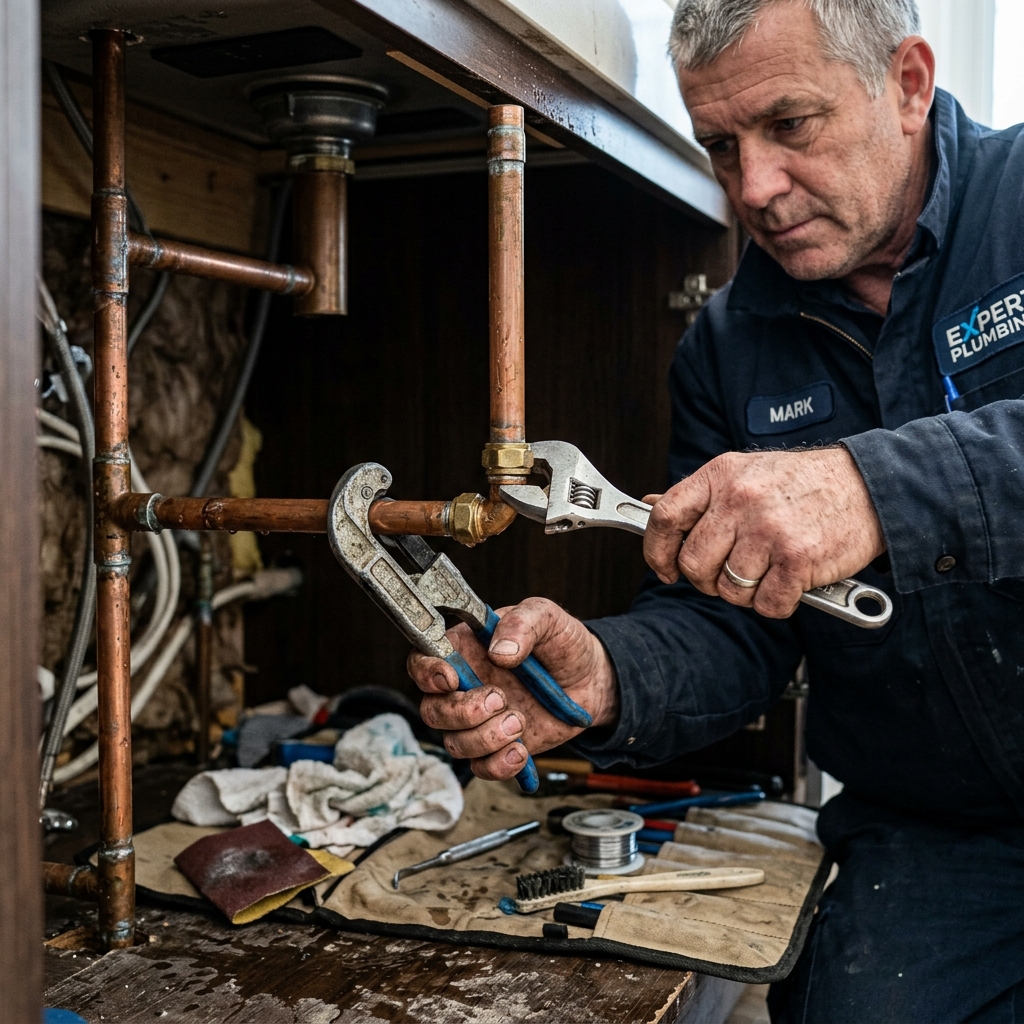
Repair Options
Pipe Rerouting vs. Direct Concrete Jackhammering
Why modern overhead or through-wall rerouting is often the cleanest, most cost-effective solution for aging subterranean lines.
Learn about subterranean foundation leaks, explore non-invasive diagnostic options, and connect directly to 95 verified municipal resources across America.

12 deep technical homeowner resources
Detection, rerouting & repiping solutions
95 direct municipal portals
Acoustic, thermal & pressure testing
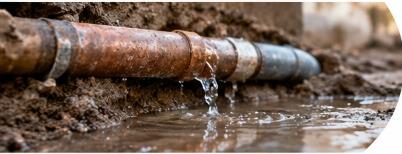
A slab leak is a water breach in the pressurized copper or PEX supply lines buried beneath or encased within your home's concrete foundation. Because it occurs underneath solid structural concrete, unseen water washes away supporting soil and creates foundation distortion.
Learn MoreFrom pinpoint acoustic detection to non-invasive overhead PEX reroutes, explore the specialized solutions available across our national network.
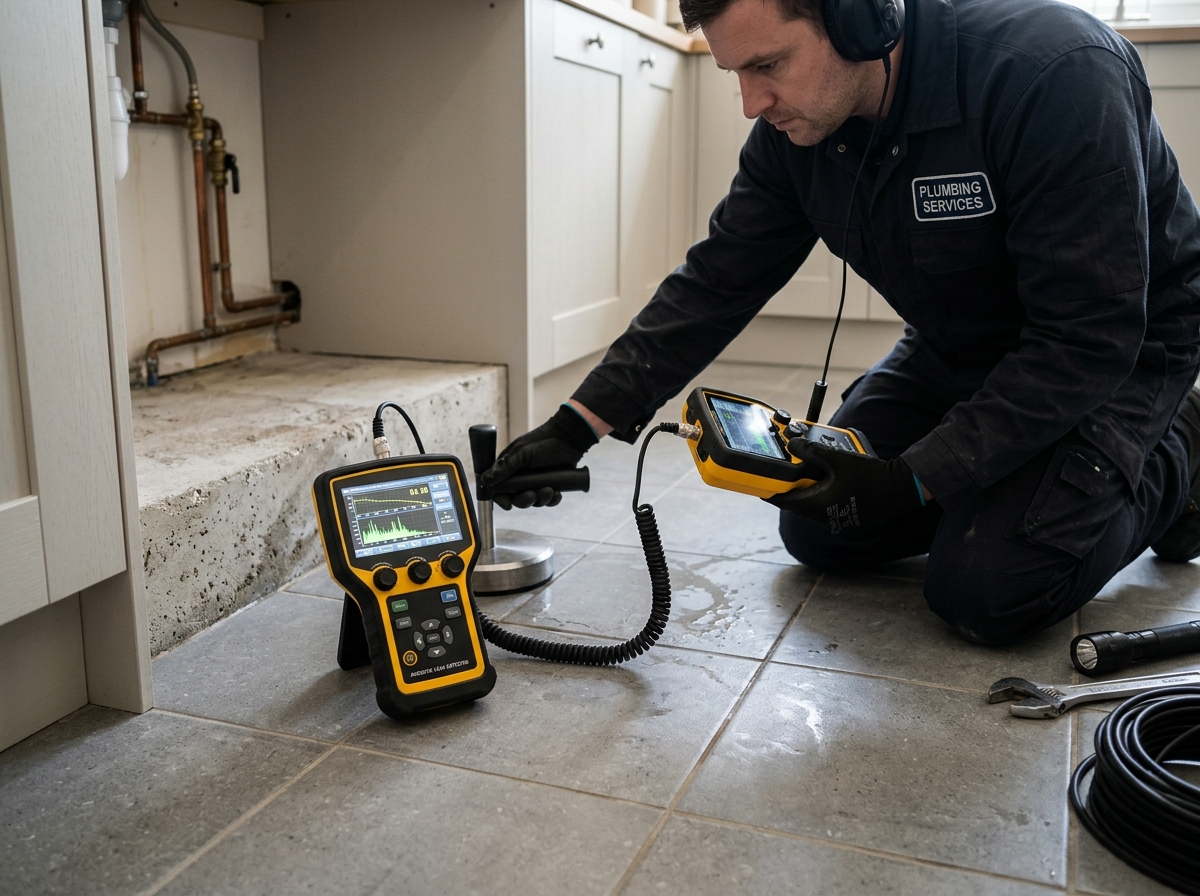
Military-grade ultrasonic frequency sensors, ground geophones, and infrared thermography pinpoint leaks within inches without breaking concrete.
Learn About Detection →
Permanently abandon failing sub-slab copper lines by running high-durability PEX piping through attic and wall channels. Leaves floors 100% untouched.
Explore Rerouting →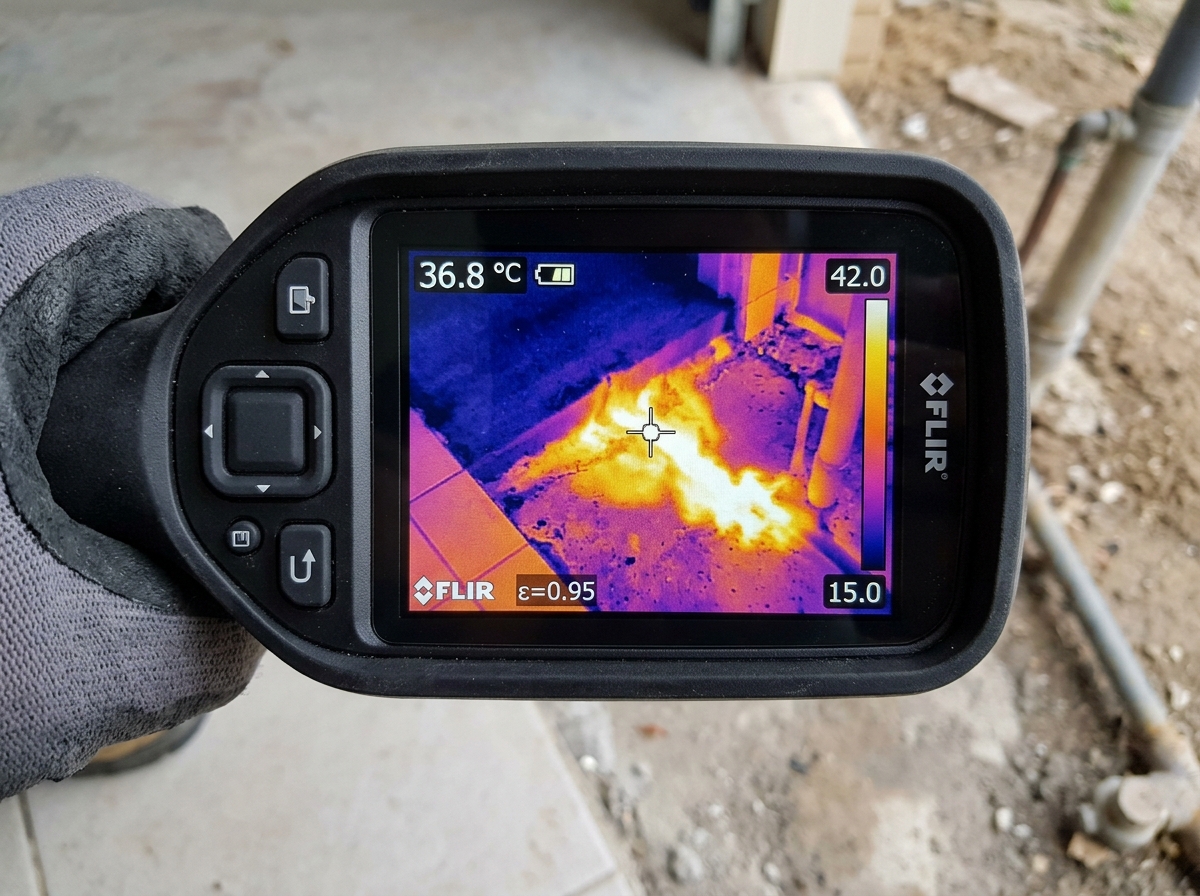
Targeted diagnosis and bypass solutions for hot water line failures—the most common cause of floor warm spots and high utility bills in residential homes.
Explore Hot Water Leaks →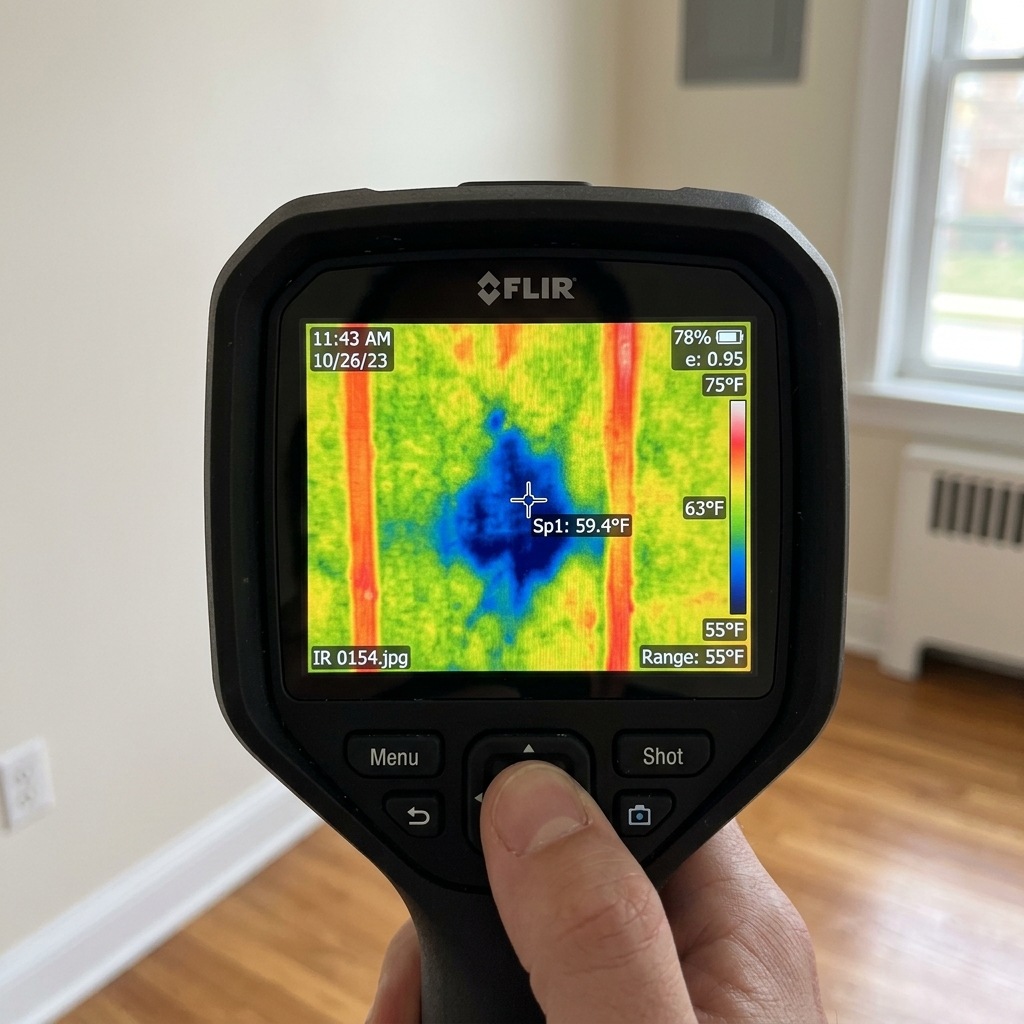
Permanent solution for homes experiencing recurring leaks. Completely replaces aging subterranean copper with modern commercial-grade PEX tubing.
Learn About Repiping →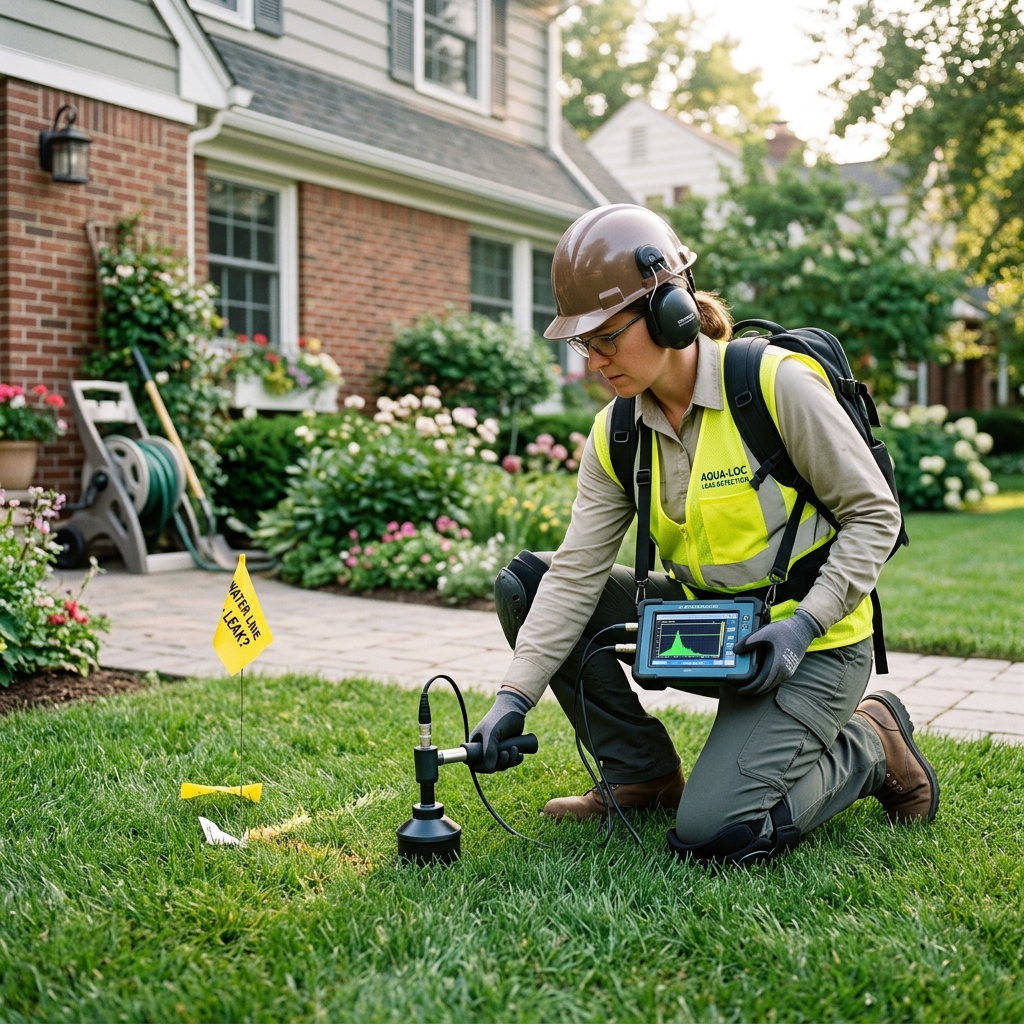
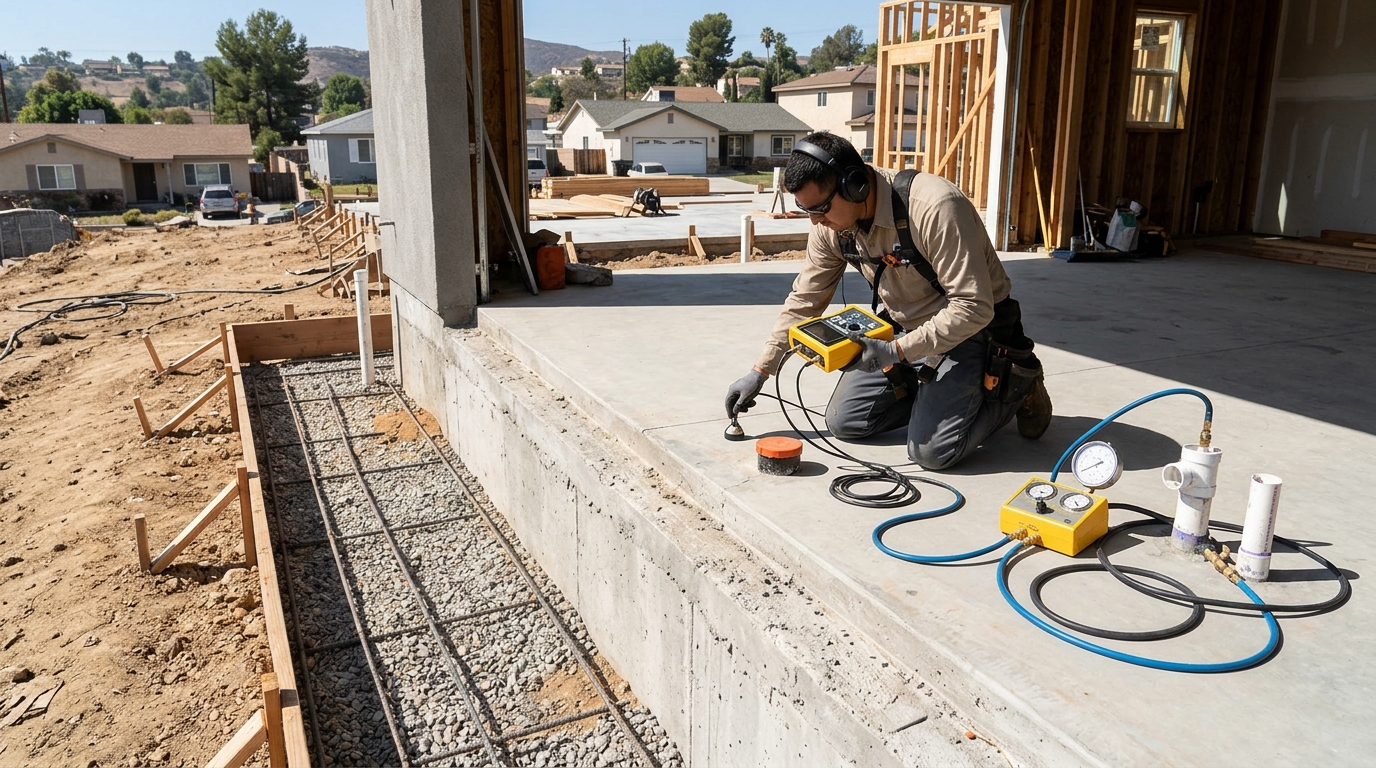
Scientific pressure decay tests isolate potable water manifolds and sewer drainage lines to objectively verify whether a foundation leak exists.
Explore Pressure Testing →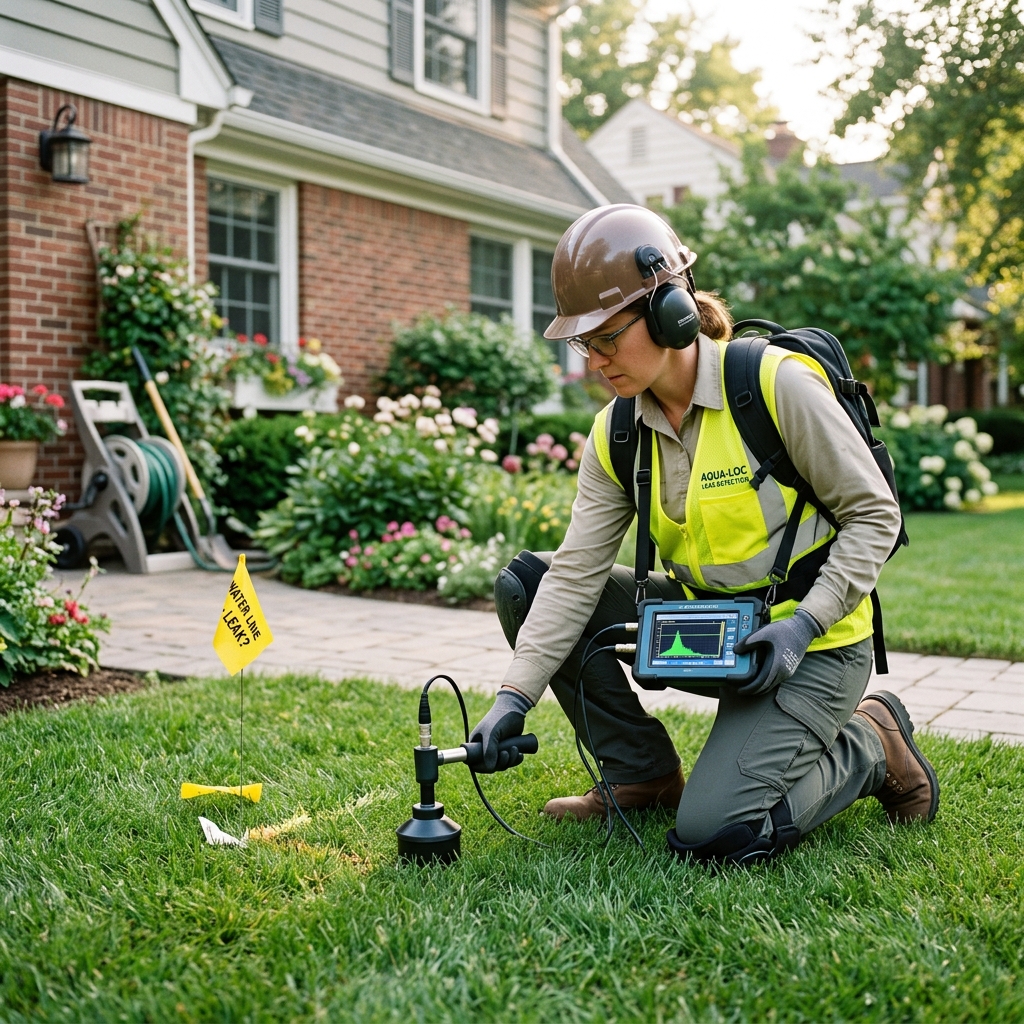
Detailed forensic reports, thermal scan imagery, and moisture mapping to substantiate 'tear-out and access' coverage with homeowner insurance adjusters.
Claim Documentation →
A foundation leak is never just a plumbing problem. Pressurized municipal water continuously escapes at 50–80 psi, initiating a progressive structural failure beneath your living spaces.
High-velocity water washes away compacted sand and gravel beneath the slab, creating unsupported air cavities.
Expansive clay soils swell under saturation, lifting foundation corners, or collapse into voids, causing concrete stress fractures.
Doorways stick, windows warp, tile grout cracks, and toxic black mold colonies colonize carpet underlayment within 48–72 hours.
Modern diagnostic specialists utilize military-grade acoustic amplification and radiometric thermal sensors to locate subterranean breaches to within 2 inches before making a single cut.
Calibrated infrared sensors detect minute 0.1°C temperature rises on tile or hardwood floors, displaying the exact geometry of subterranean hot water plumes.
Explore Thermal Guide →
Heavy ground microphones listen directly through 6 inches of concrete, isolating pressurized water hiss from ambient household noise with digital notch filters.
Explore Acoustic Guide →
Liquid-damped test gauges isolate individual plumbing manifolds to scientifically prove whether a leak exists on hot or cold trunk lines before any excavation begins.
Explore Testing Guide →Understand the trade-offs between direct concrete jackhammering, modern overhead PEX rerouting, and whole-home repiping.
| Repair Strategy | Concrete Impact | Flooring Disruption | Future Risk | Industry Recommendation |
|---|---|---|---|---|
| Direct Spot Repair Jackhammer concrete to patch pipe |
Severe (Penetrates Slab) | High (Tile/Wood Removed) | High (Rest of pipe still aged) | Recommended only for newer homes with isolated mechanical damage. |
| Overhead Pipe Rerouting Abandon old line; route PEX in attic/walls |
Zero (Untouched) | Minimal (Drywall access only) | Very Low (Eliminates compromised line) | Most Popular Choice Best overall balance of cost, preservation, and longevity. |
| Whole-Home Repiping Replace all subterranean supply lines |
Zero (Untouched) | Moderate (Multi-room drywall) | Permanently Zero Under Slab | Recommended if home has suffered 2+ leaks or has thin Type M copper. |
Clear, practical advice on detection technologies, warning signs, causes, and repair options to help protect your home foundation.
Why modern overhead or through-wall rerouting is often the cleanest, most cost-effective solution for aging subterranean lines.
The "Rule of Two" in foundation plumbing: how to determine when recurring leaks justify a full systemic PEX upgrade.
From water pressure regulators (PRVs) to foundation soil moisture maintenance in expansive clay regions.